
Cataract Surgery
Cataract surgery replaces the cloudy lens with an artificial lens. Dr Chin discusses lens options based on the health of each eye, astigmatism and your day-to-day visual needs.
Read about cataract surgeryOphthalmologist · Cataract & Vitreoretinal Surgeon
Specialist cataract and retinal care,
from diagnosis through recovery
Dr Jacob Chin takes time to understand your concerns, explain your condition and treatment options clearly, and plan care around the health of your eyes and your day-to-day needs.
Dr Chin Yu Hang Jacob
MBBS (S’pore) · MMed (Ophth) · FAMS (Ophth) · FRCOphth (UK)
Eye Surgeons @ Novena
Mount Elizabeth Novena Specialist Centre

About the Doctor
Dr Jacob Chin is a fellowship trained ophthalmologist at Eye Surgeons @ Novena whose practice covers cataract surgery and the medical and surgical treatment of retinal disease. Dr Chin graduated from the National University of Singapore in 2010 and completed specialist training in ophthalmology in Singapore, obtaining the MMed (Ophth) in 2016 and the FAMS (Ophthalmology) in 2018, followed by the FRCOphth (UK) in 2019. He is vitreoretinal fellowship trained both locally in Tan Tock Seng Hospital and overseas in Yokohama City University Hospital.
Patients with sudden changes in vision are seen early, and urgent cases such as suspected retinal detachment are prioritised on the same day whenever possible.
Qualifications
Your Care
Before you decide on treatment, Dr Chin explains the findings, your options and how each option may affect your vision and recovery. The discussion includes your day-to-day needs and any limits to the improvement treatment may offer.
After surgery, follow-up visits review how your eye is healing and any changes you have noticed. Dr Chin explains your progress and what to expect next.
For retinal conditions that need ongoing care, Dr Chin explains what is being monitored and when further treatment may be needed.
Conditions & Treatments
Explore cataract and retinal care, or arrange an assessment if you are unsure what is causing a change in your vision.
Cataract surgery replaces the cloudy lens with an artificial lens. Dr Chin discusses lens options based on the health of each eye, astigmatism and your day-to-day visual needs.
Read about cataract surgeryAssessment and treatment of retinal tears and detachment. Depending on the findings, treatment may involve laser or surgery. Sudden flashes, new floaters or a shadow across your vision need prompt assessment.
Read about this conditionScreening and treatment for diabetes-related changes at the back of the eye. Depending on the findings, care may include monitoring, injections or laser treatment.
Read about this conditionMonitoring and treatment for age-related macular degeneration. Retinal scans help guide care, including injections for wet AMD when needed.
Read about this conditionAssessment and treatment of a blocked retinal vein, including monitoring and treatment for swelling at the back of the eye.
Read about this conditionAssessment of conditions affecting the macula, the part of the retina responsible for central vision. Where surgery is advised, Dr Chin explains the procedure, any positioning needed afterwards and what to expect during recovery.
Read about this conditionAssessment of flashes and floaters, including an examination with dilating drops to check for retinal tears.
Read about this conditionAssessment and surgery for a natural lens or lens implant that has moved out of position. Cataract and retinal surgical techniques may be combined where needed.
Read about this conditionDilated examination for new patients and anyone referred with an unexplained change in vision, with referral where another subspecialty is better placed to help.
Read about the eye examinationYour First Visit
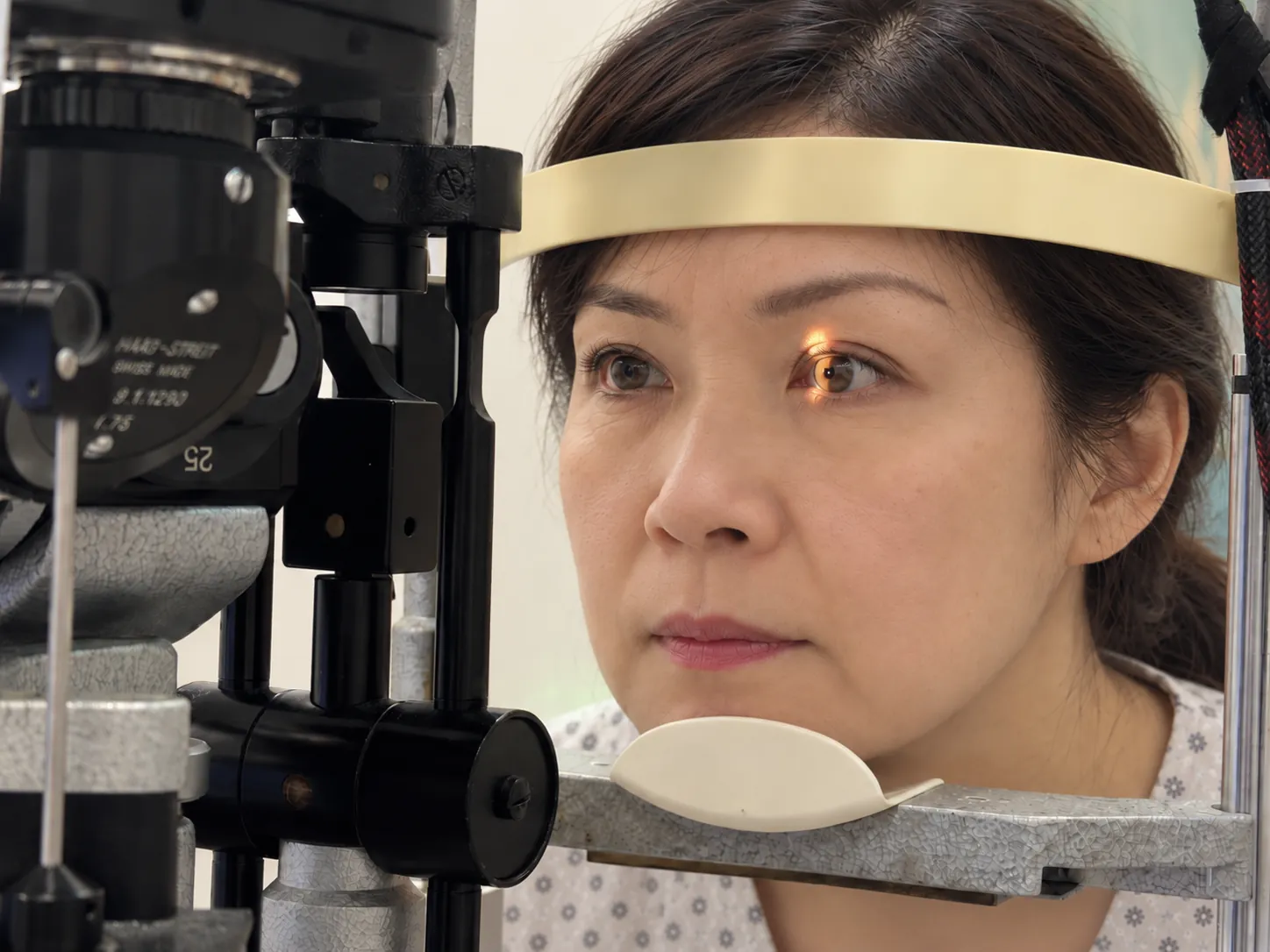
Bring your identification, referral letter if you have one, and a list of current medications. We will ask about your symptoms and general health.
Checks of your vision, glasses prescription and eye pressure, followed by dilating drops, which take 20–30 minutes to take effect.
Retinal scans or photographs where needed, followed by an examination by Dr Chin and an explanation of what the findings mean for your vision.
If treatment is advised, you will receive the options, what each involves, and a written fee estimate before anything is scheduled.
Insurance & Payment









Approved surgical procedures, including cataract surgery and many retinal procedures, are Medisave-claimable within MOH limits. Our staff will help you check what applies to your case before treatment.
We accept patients under the insurance plans and third-party administrator panels listed above, and assist with pre-authorisation and claims where applicable. Bring your policy details, member card or corporate benefits card, and we will advise on coverage and any expected out-of-pocket amount before proceeding.
If you do not fall on our panels, please be assured that you are still welcome for assessment; and we will assist with the claims process for you.
Location & Hours
Address
Mount Elizabeth Novena Specialist Centre
38 Irrawaddy Road #09-28, Singapore 329563
Getting Here
Short walk from Novena MRT (NS20). Carpark and drop-off at Mount Elizabeth Novena Specialist Centre.
Wheelchair-accessible clinic and restrooms.
Clinic Hours
Appointments
Send an enquiry and our clinic staff will contact you to confirm a time. For sudden changes in vision or acute symptoms, please call instead.
Sudden flashes, new floaters or a change in vision can signal a retinal tear or detachment. Please call the clinic now rather than waiting for a callback.
Call +65 6694 0400 nowOutside clinic hours, call the 24-hour line on +65 6535 8833. You may still send this form, but a reply can take up to one business day.
FAQ
Articles
What happens before, on the day of and after cataract surgery, from the eye measurements and anaesthesia to recovery, driving and going back to work.
The warning signs of a retinal detachment, why it needs same-day care, and what the three operations used to repair it involve.
What a retinal tear is, why it is sealed with laser, what the treatment feels like, and what to expect in the days after.